

Sri Lanka’s warmth and humidity are part of what makes island life beautiful — but they’re also the two biggest reasons jewelry tarnishes, dulls, or loses its shine faster here than almost anywhere else. The good news: with a few simple habits, your sterling silver, coral, and semi-precious stone pieces can stay as brilliant as the day you bought them, for generations.
Here’s exactly how to care for each material in your collection.
Sterling Silver: Fighting Humidity-Driven Tarnish
Silver tarnishes when it reacts with sulfur in the air — and Sri Lanka’s humidity speeds that reaction up considerably compared to drier climates. The dark, dull film you sometimes see forming on silver chains or rings isn’t dirt; it’s a chemical reaction, and it’s completely normal.
What actually works:
- Wear it often. Silver that’s worn regularly tarnishes slower than silver locked away in a drawer — the natural oils on your skin create a light protective barrier.
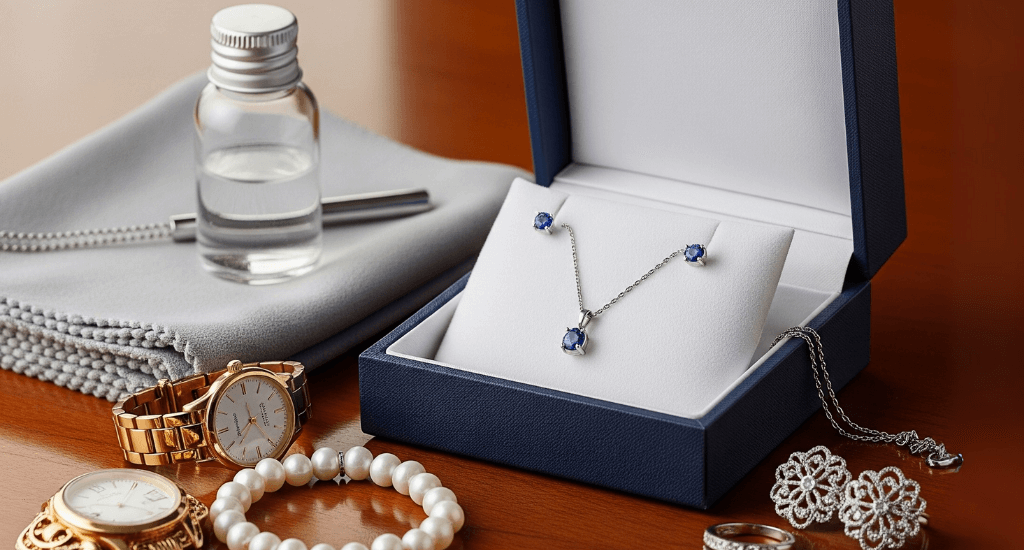
- Store it airtight. When you’re not wearing a piece, keep it in a sealed ziplock bag or an airtight jewelry box, ideally with a small silica gel packet inside to absorb moisture. This single habit makes the biggest difference in humid conditions.
- Clean with a soft polishing cloth, not tissue or regular fabric — a proper silver polishing cloth lifts tarnish without scratching the metal’s surface.
- Avoid direct contact with perfume, sunscreen, chlorinated pool water, and sweat during exercise — all of these accelerate tarnishing.
Coral: A Living Material That Needs Gentle Handling
Genuine coral is porous and organic — closer in nature to bone or shell than to a hard mineral gemstone — which means it needs noticeably gentler care than silver or sterling pieces.
- Never use ultrasonic cleaners or harsh chemicals on coral. The porous surface absorbs liquids and can discolor or weaken over time.
- Wipe with a barely damp, soft cloth after wearing, then dry completely before storing.
- Keep coral out of direct, prolonged sunlight — like many organic gem materials, extended UV exposure can fade its natural color over years.
- Apply perfume and lotion before putting coral jewelry on, never after — this is true for all jewelry, but especially important for a porous material like coral.
Semi-Precious Stones (Agate, Amethyst, Citrine & More)
Most semi-precious stones are far more durable than coral, but still benefit from a few precautions:
- Warm water and a soft brush (like a clean, soft toothbrush) is usually enough — gently work around any silver or metal settings to avoid loosening stones.
- Dry thoroughly before storing, since trapped moisture near a metal setting is exactly what encourages tarnish to start.
- Store pieces separately — semi-precious stones can scratch each other if left jumbled together in one box or pouch. A simple fix: keep each piece in its own soft pouch or a jewelry box with individual compartments.
Freshwater & Shell Pearls: The Most Delicate Material You Own
Pearls are the softest material in most jewelry collections and the easiest to damage without realizing it.
- Put pearls on last, take them off first — after perfume, hairspray, and makeup, never before.
- Never use an ultrasonic cleaner or harsh soap on pearls; a soft, dry cloth after each wear is usually all they need.
- Store flat, not hanging, ideally wrapped in a soft cloth — the silk thread pearls are often strung on can stretch over time if hung.
A Simple Weekly Habit That Covers Everything
If you take away one habit from this guide, make it this: wipe every piece with a soft, dry cloth before putting it away, every single time you wear it. It takes ten seconds and removes the oils, sweat, and moisture that cause almost every long-term damage issue on this list — regardless of material.
When to Bring a Piece Back to Us
Some things are worth leaving to a professional rather than attempting at home:
- Loose stones or claws
- A clasp that’s become stiff or difficult to open
- Deep tarnish that a polishing cloth isn’t lifting
- Chain repairs or resizing
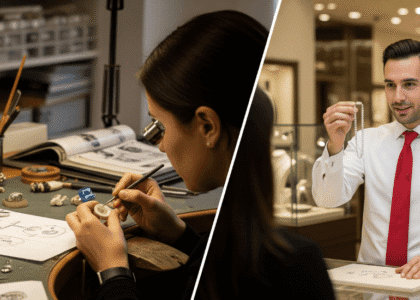
Bring any piece into one of our outlets and our team can assess it — many small repairs and professional polishes can be done quickly and affordably, and it’s always better to catch a loose stone early than after it’s lost.
Looking for your next piece? Explore our necklaces, rings, and bracelets — each handcrafted using the same genuine materials covered in this guide.